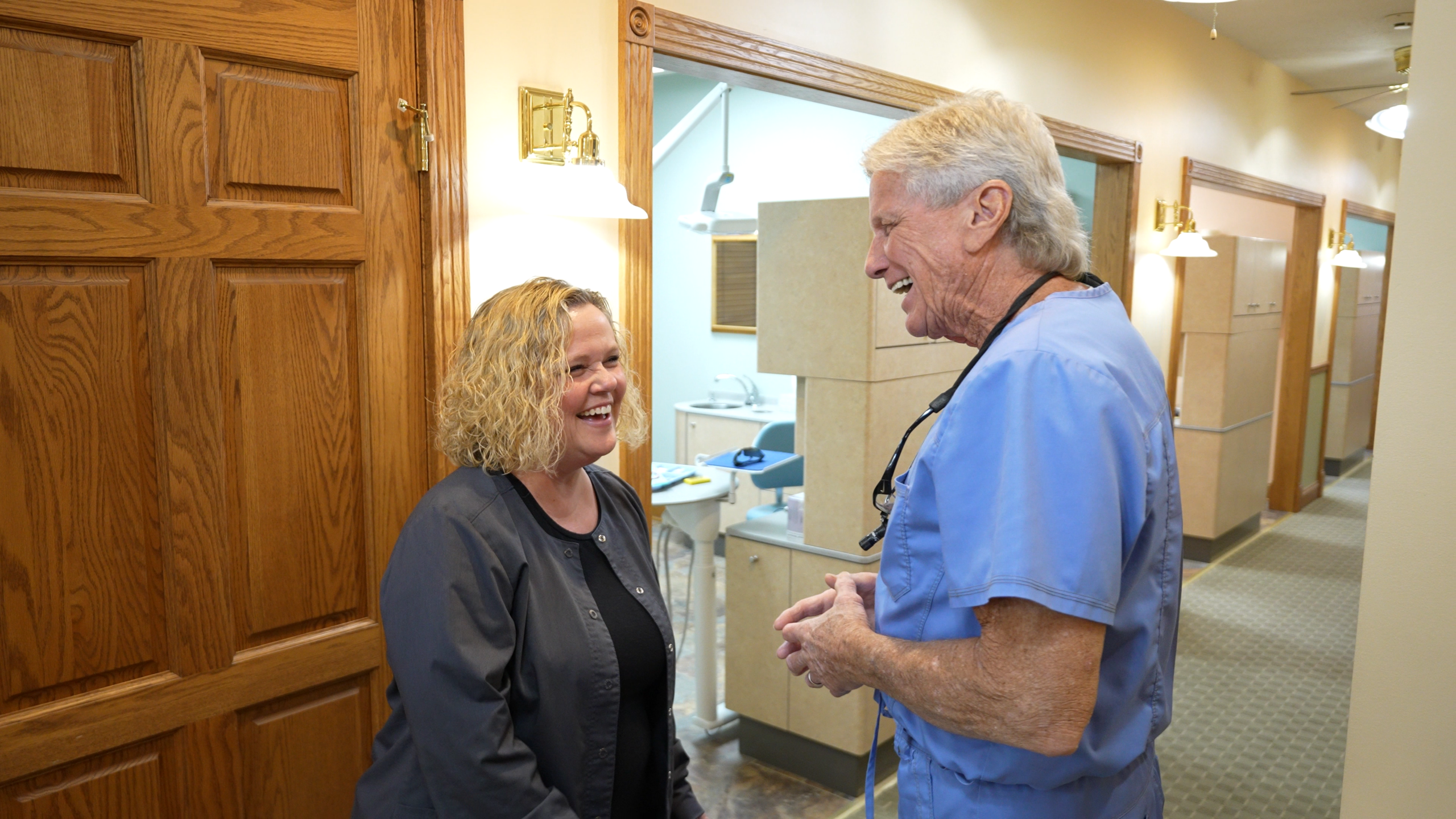
Dr. Mark Haring, DDS, received his degree in Life Science and Chemistry at Indiana State, and then went to Dental School at Indiana University. He is an active member of the American Dental Association (ADA), Academy of General Dentistry (AGD), American Academy of Cosmetic Dentistry (AACD), the International College of Dentistry, the Pierre Fauchard Society, and is a trustee at the Indiana Dental Association. He continues to stay current with new treatments and methods in modern dentistry, and routinely takes continuing education courses in his field.
Are you concerned that brushing and flossing aren’t doing enough to prevent tooth decay? It’s easy for adults and children to sometimes lapse in their daily dental routine. At your or your family’s regular checkup, we may recommend a fast, effective treatment that can provide an added layer of protection that works alongside your regular dental hygiene routines. Read more to find out about this treatment.
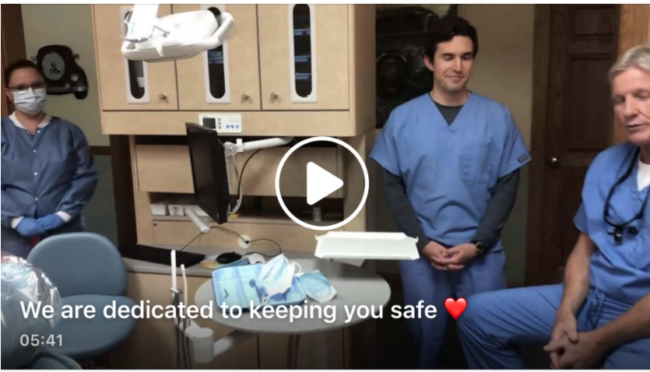
Click to watch this short message from our doctors and team about what to expect as we welcome you back to the practice.
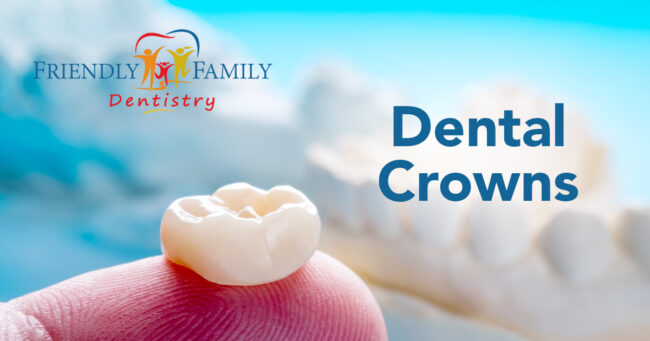
Due to normal wear and tear, common dental conditions arise — tooth decay, worn down teeth or cracked teeth, and more. Dental crowns can help protect teeth by completely covering the tooth to prevent further damage as well as improve the appearance of a tooth. A versatile treatment, crowns are used in many dental applications, such as:
Would you like to improve the look of a cracked or chipped tooth? Would you like to change the shape of your tooth or fill in a gap between your teeth? You don’t have to suffer with a smile you are not happy with. Thanks to a simple and non-invasive procedure, you can have a dazzling smile that you can be proud of. Would you like to learn more?
Primary teeth, commonly known as baby teeth or milk teeth, are the primary dentition that grows into the oral cavity. It consists of 20 temporary teeth that fall out as the permanent teeth erupt.
Baby teeth have a purpose in the growth and development of healthy permanent teeth, which is why it’s important to care for them from the first moment.
We wanted to give you a quick update on a few of the changes you might start seeing in our practice to keep you safe.
Give us a call if you have any questions.
With all that is going on in the world, you may be thinking, “What are the best ways to maintain my health, including my dental health?” While it’s well known that keeping a consistent dental hygiene regimen of daily flossing and brushing, cutting back on sugary foods is also a great way to help prevent cavities. Read on to find out more ways to keep your teeth healthy.
Most people think that brushing and flossing should be enough to prevent cavities. Unfortunately, sometimes it isn’t, especially for molars. The back teeth that are the core of the chewing process have a rough and uneven surface that becomes the perfect nest for leftover food and cavity-causing bacteria.
Establishing good dental hygiene habits should begin at a young age. As soon as your child is able to understand, you can start talking to them about the importance of their teeth and how they need to be cared for every day. Giving them the knowledge and tools to care for their teeth early on will set them up for a lifetime of good health and decrease their chances of dental problems in the future.